
01 · Manual toll and violation evidence
Business teams combined DIMTS records, NPCI files, spreadsheets, and toll-plaza evidence manually. Violation files and clarifications moved between teams and plazas over email.
Customer work · Banking and mobility
BluePi connected toll transactions, NPCI files, vehicle images, automated processing, reporting, and violation workflows in one AWS-based platform. The system reduced manual reporting and supported vehicle-class validation and reconciliation.
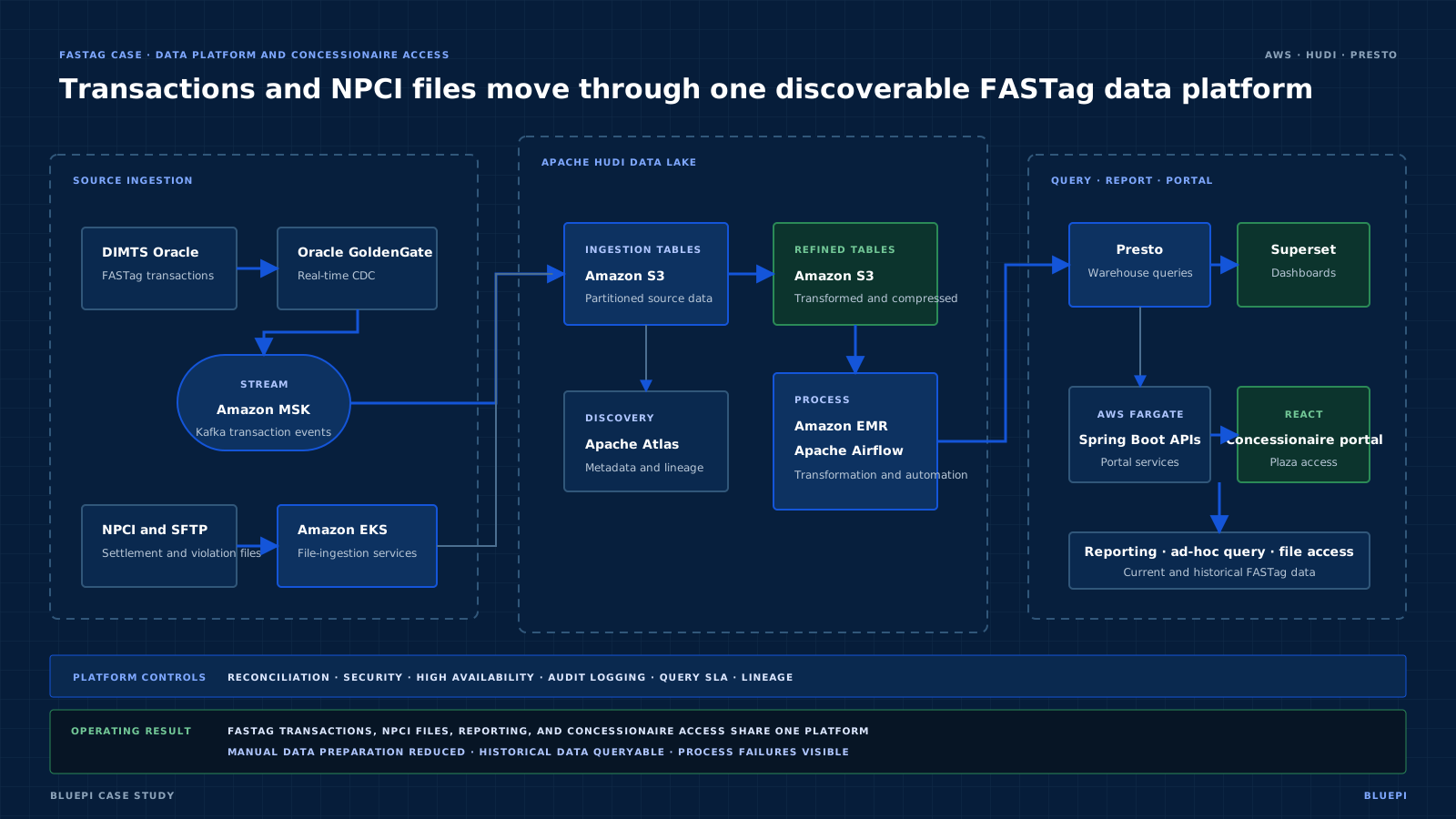
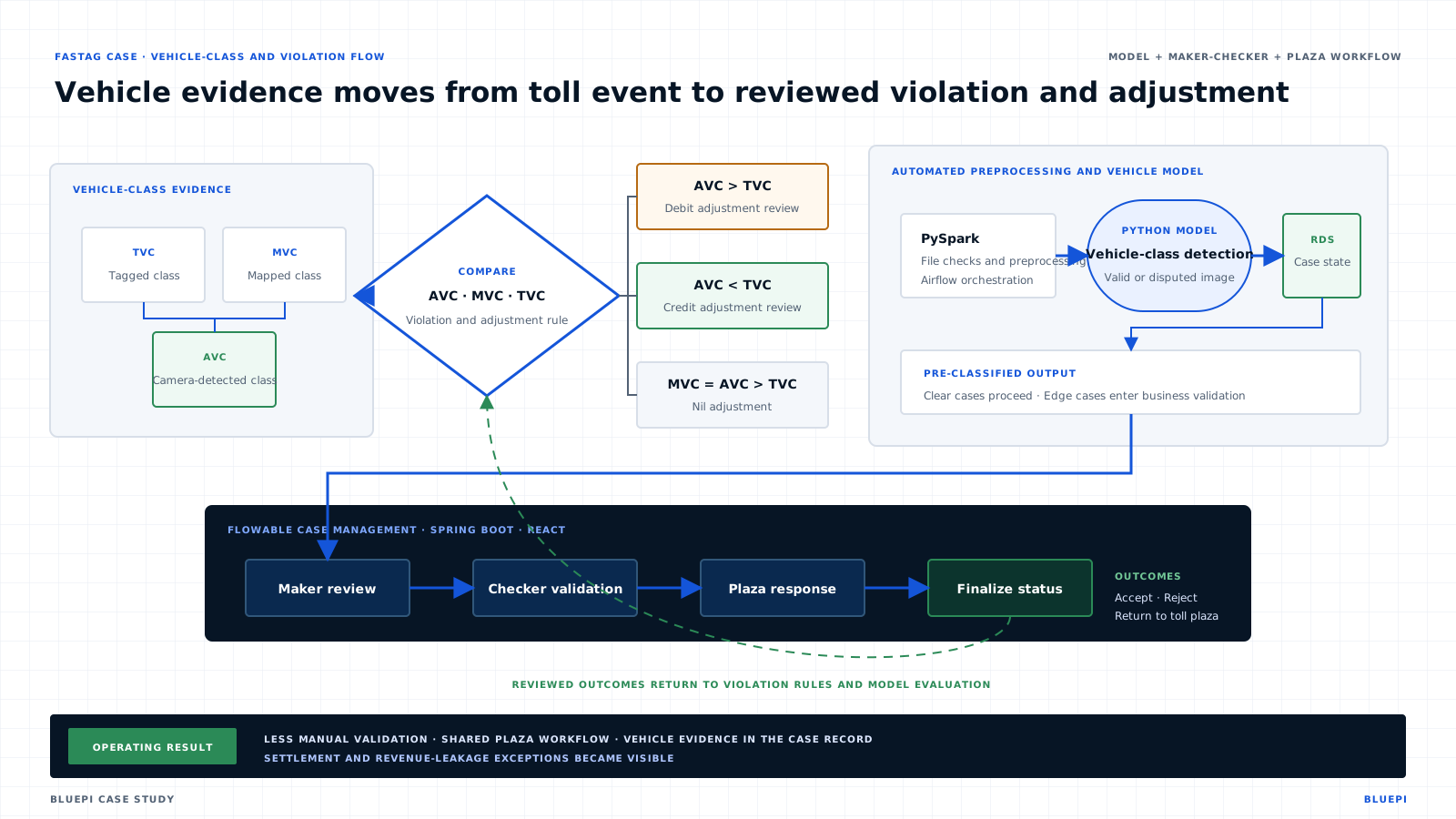
FASTag growth increased transaction volume, file processing, reporting, settlement, and violation work. BluePi connected the data lake, operational reporting, vehicle-class model, concessionaire portal, and case-management workflow.
01 · Manual toll and violation evidence
Business teams combined DIMTS records, NPCI files, spreadsheets, and toll-plaza evidence manually. Violation files and clarifications moved between teams and plazas over email.
02 · Data and violation platform
An AWS data platform ingested transaction changes and NPCI files, prepared refined datasets, supported querying and dashboards, automated violation processing, and connected vehicle-class detection to a maker-checker workflow.
03 · Reviewed settlement exceptions
Manual reporting and validation work decreased, vehicle-class evidence became part of the violation process, and settlement and revenue-leakage exceptions became easier to identify.
Transaction and NPCI data entered the AWS data platform, operational reporting exposed exceptions, vehicle-class evidence supported violation review, and the maker-checker workflow carried each case through clarification and resolution.
DIMTS changes and NPCI files entered the same data platform while retaining ingestion and refined storage layers.
The model compared camera evidence with tagged and mapped vehicle classes so clear cases could be pre-classified before business review.
Maker, checker, and toll-plaza users worked from one case record instead of exchanging violation files and clarifications over email.
Where this pattern fits
This pattern fits mobility and financial workflows where a physical event, a transaction record, external files, and an adjustment workflow must agree. It also applies to parking, access control, logistics checkpoints, and asset movement.
Open a section to review the customer problem, implementation, business change, and architecture.
The organization needed to manage growing FASTag volumes while replacing manual reporting, violation, and settlement work.
BluePi connected FASTag ingestion, processing, discovery, reporting, vehicle-class detection, and case management.
The platform reduced manual processing and connected vehicle evidence, transaction data, reporting, and violation workflows.