
BluePi migration accelerator
Inventory, convert, and validate data-platform migrations.
SmartMigrate helps teams map legacy code and dependencies, convert eligible workloads, manage exceptions, and compare source and target results. BluePi engineers apply it inside a migration program that covers architecture, security, cutover, operations, and ownership transfer.
- 01Inventoryobjects · schedules · dependencies
- 02Convertcoverage · exceptions · engineer review
- 03Validatereconciliation · performance · cost
- 04Releasecutover · rollback · operations
Accelerator boundary
Automation handles repeatable work. Engineers own the migration.
SmartMigrate turns an estate into an inspectable work queue. BluePi keeps target architecture, security, semantic differences, live-run evidence, cutover, rollback, and transfer with the engineering team.
01
Use SmartMigrate when the estate is difficult to inspect.
A migration can appear close to completion while one stored procedure, schedule, or downstream report still ties the target platform to the legacy estate. The problem often becomes visible near cutover, when the team has the least room to investigate it. SmartMigrate brings those dependencies and exceptions into the migration plan earlier.
SmartMigrate supports migrations with a large estate of SQL, stored procedures, pipelines, jobs, reports, dependent data objects, schedules, and operating controls.
- Establish an inventory
- Identify dependencies and blockers
- Assess conversion coverage
- Compare source and target results
02
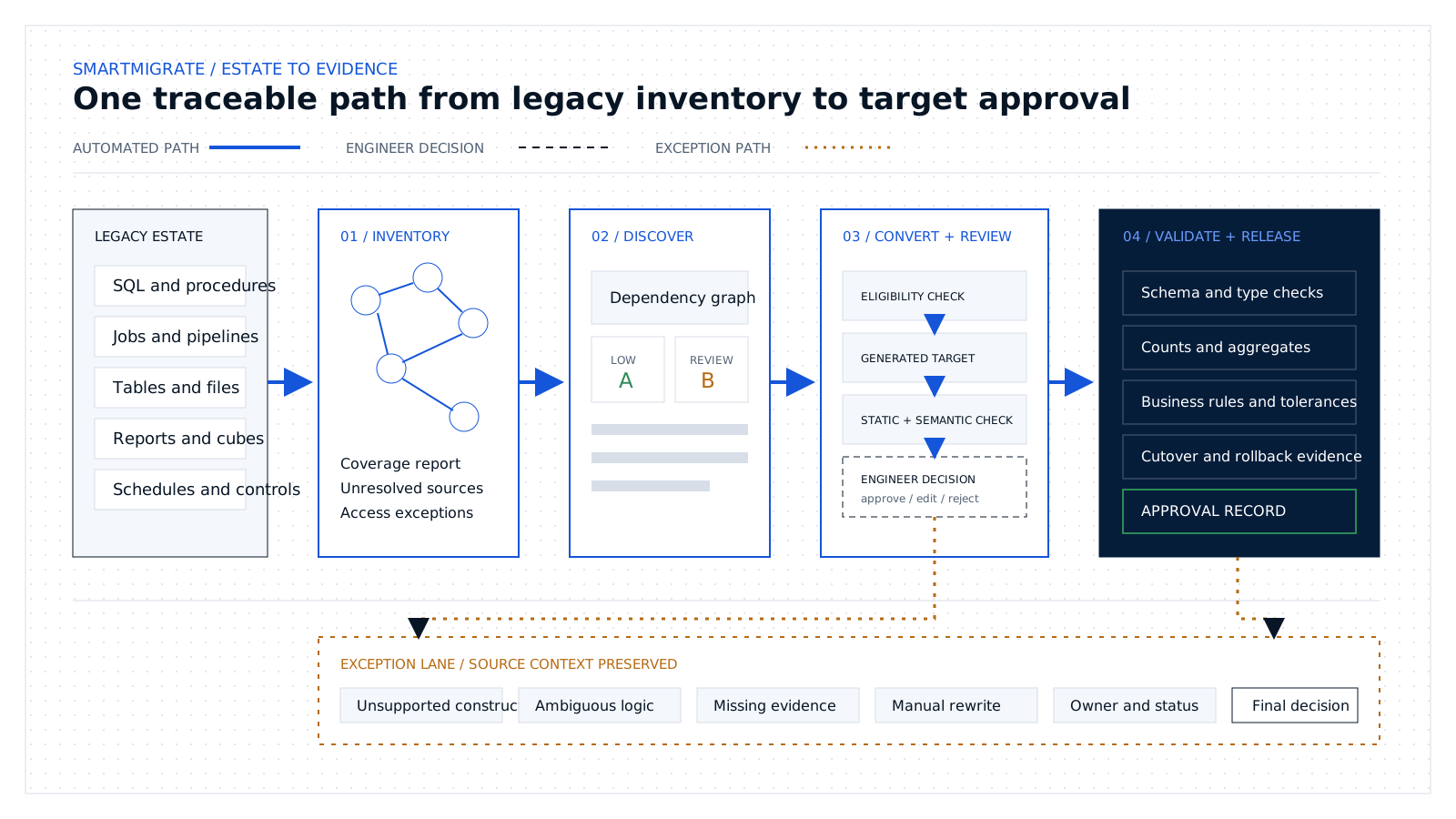
One evidence path runs from inventory to cutover.
The working capability model covers inventory and extraction, discovery and planning, conversion and review, validation and reconciliation, and cutover and operations.
03
Engineers own the migration decisions.
BluePi engineers remain accountable for target architecture, security, semantic differences, converted-code review, reconciliation rules, performance, cost, cutover, rollback, release readiness, runbooks, and knowledge transfer.
04
What SmartMigrate delivered at PeopleStrong.
PeopleStrong used SmartMigrate in its migration from Cloudera to BigQuery. The case study covers how the migration ran and the measured results.
“BluePi brought strong technical expertise and execution discipline to our data platform modernization initiative. Using their SmartMigrate accelerator, the team helped streamline the migration of 2,000+ SQL queries, 800 Spark jobs, and 30 analytics cubes from Cloudera to BigQuery. The new platform was designed to support 500+ reports per hour with report response times improving from 15–30 minutes to under 5 minutes.”

Head IT & DevSecOps, PeopleStrong
05
Assess a representative workload.
Bring the source, target, object types, estate-size band, operating constraints, and target date. The assessment returns a reviewed sample inventory, dependency findings, conversion coverage, exception categories, validation approach, risks, and a recommended next step.
Assess a migration workload06
Use automation inside an accountable engineering program.
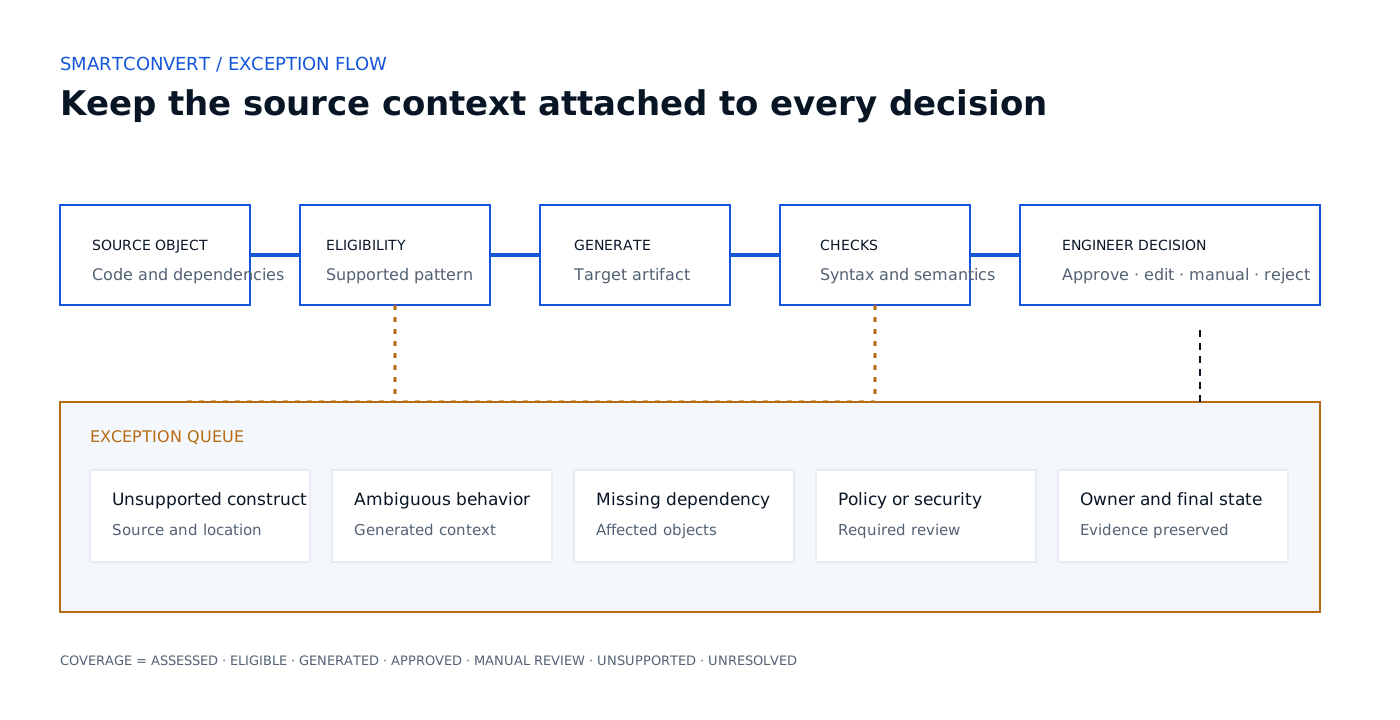
Conversion coverage depends on the source language, target service, object type, code pattern, dependency, and acceptance rule. SmartMigrate handles the repeatable conversion work and flags every exception. Architecture, security, semantic review, performance testing, cutover, rollback, and operating ownership stay with named BluePi engineers.
- Confirm the source and target versions in the assessment.
- Review converted code before accepting it.
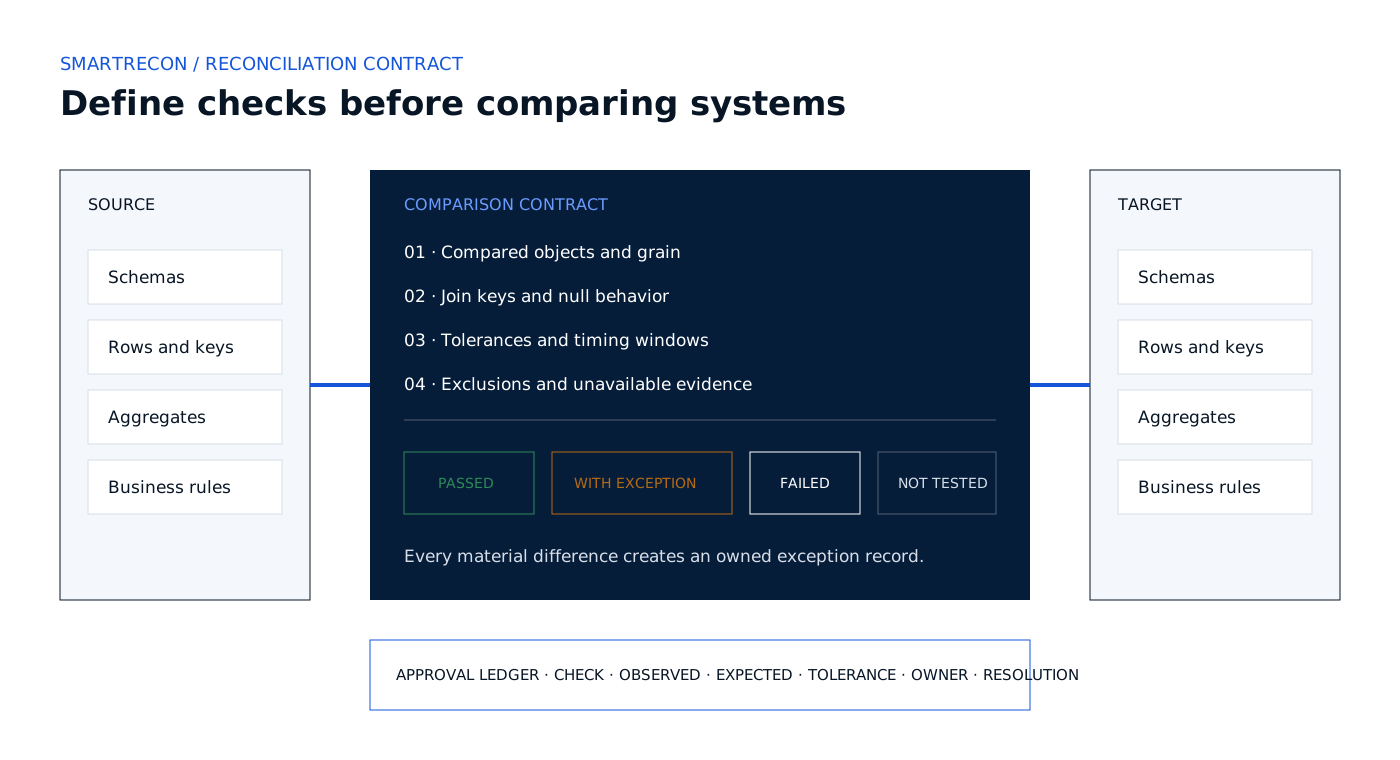
- Define reconciliation at the dataset and business-rule level.
- Keep unsupported objects in a visible exception queue.
- Rehearse cutover and rollback with representative data.
- Transfer runbooks, dashboards, and ownership to the operating team.
For the full product overview, feature detail, and a product demo, visit the SmartMigrate website.
SmartMigrate accelerator map
Follow the system from estate inventory to reconciliation evidence.
01
What is SmartMigrate?
BluePi’s accelerator for enterprise data warehouse and lakehouse migration. It connects extraction, discovery, conversion, and reconciliation in one gated factory path, while BluePi engineers retain architecture, security, cutover, and acceptance accountability.
02
How does SmartMigrate establish migration scope?
SmartExtract pulls schemas, code, dependencies, statistics, and query logs into verified manifests. SmartDiscover then scores complexity, maps dependencies, flags risk, and groups objects into migration waves.
03
How does SmartConvert handle code conversion?
SmartConvert parses source SQL and procedural code into abstract syntax trees, applies rule-anchored conversion with engineer review for exceptions, and produces target code with reports, error logs, and deployment-ready scripts.
04
How is the target validated before cutover?
SmartRecon configures source-to-target checks, custom matching rules, scheduled reconciliation jobs, retry handling, alerts, and reports so release decisions rest on recorded parity and exceptions.
05
Which migration paths are documented?
The product site maintains BigQuery and Snowflake target hubs, source-pair guides, and workload-specific routes for SQL, procedures and UDFs, ETL pipelines, performance work, and validation.
06
What stays with BluePi engineers?
BluePi owns target architecture, security, semantic decisions, exception disposition, performance and cost acceptance, cutover, rollback, and transfer. The PeopleStrong Cloudera-to-BigQuery case study shows this division of responsibility working in practice.