
Define intake and identity checks
Channels, required information, authentication, fraud and impersonation risk, accessibility, duplicate requests, status communication, and secure evidence handling are documented and tested.
Request to response
BluePi builds a traceable rights-request workflow across people, systems, data stores, approvals, and evidence.
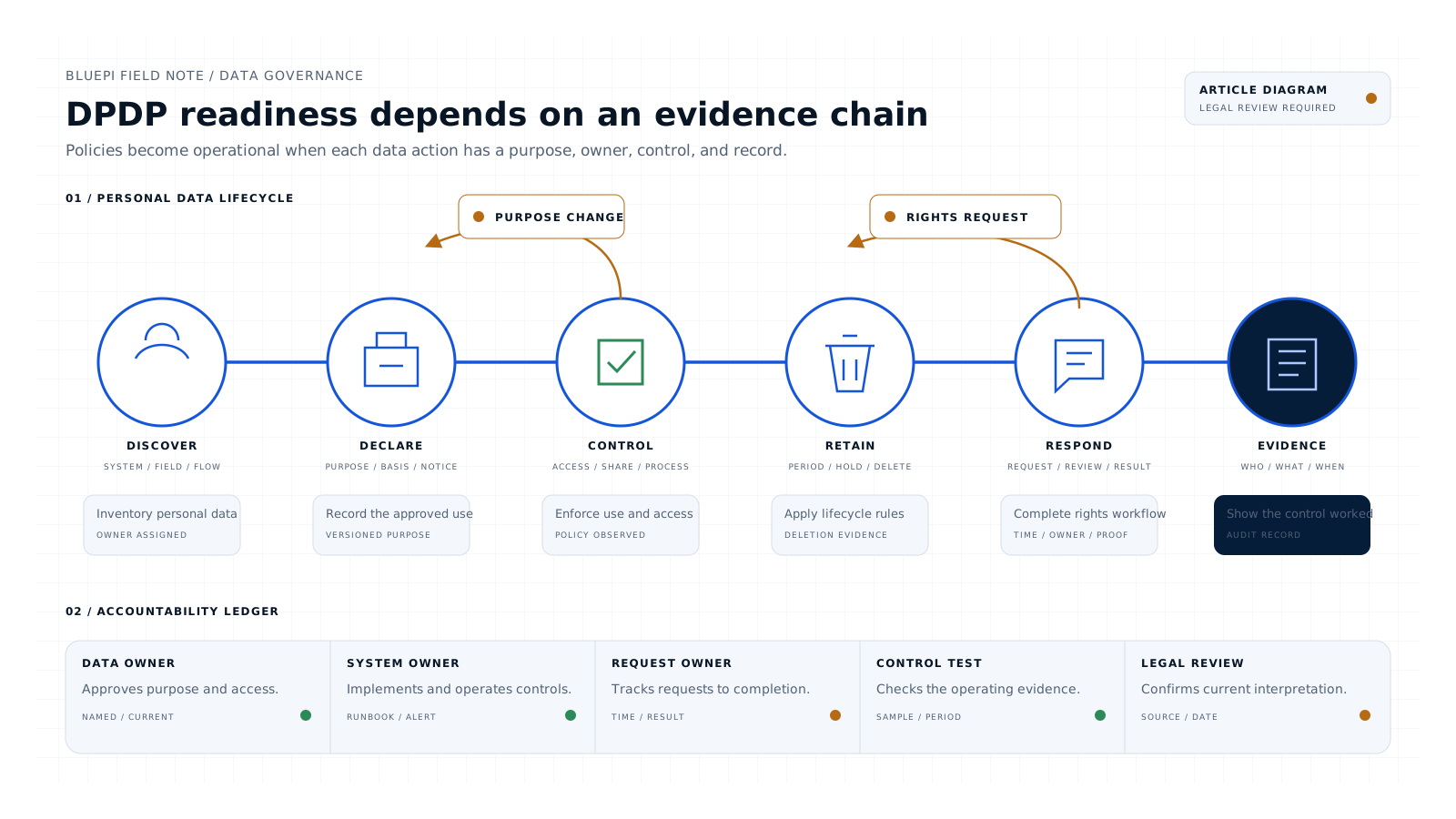
Rights workflows that work across systems and owners
BluePi designs the technical and operating path for receiving, verifying, locating, reviewing, fulfilling, rejecting, escalating, and recording applicable data-principal requests. Counsel defines legal scope and response requirements.
The workflow connects identity, request type, systems, data owners, search, review, redaction, correction, deletion where applicable, communication, approval, evidence, and closure measures.
Channels, required information, authentication, fraud and impersonation risk, accessibility, duplicate requests, status communication, and secure evidence handling are documented and tested.
Requests are routed to system and data owners with search instructions, due dates, dependencies, legal holds, third-party steps, approval, and a visible exception path.
BluePi tracks acknowledgement, verification, search coverage, owner response, fulfilment, exceptions, elapsed time, communication, approval, and final evidence without exposing more data than necessary.
When this is the right starting point
Good fit
One operating workflow has a named owner, a measurable baseline, and users who can judge whether the result improves.
Poor fit
The request is capacity-only staffing, an unowned demonstration, or a broad transformation without a first decision and finish condition.
Evidence produced during delivery
Open the part you need. Each section expands into the full delivery scope for that step.
The workflow covers intake, identity verification, source discovery, retrieval, review, approval, response, exceptions, and audit evidence.
Teams track completion, aging, retrieval coverage, exceptions, rework, and repeated manual effort.
Missing identities, inaccessible systems, unclear ownership, and incomplete retrieval enter a controlled exception process.
Proof of which systems were searched and when each request closed. The workflow covers intake, identity checks, search instructions, fulfilment, communication, and closure, so every data-principal request ends with an evidence trail rather than an email folder.
We will review the owner, the baseline, the data path, the system boundary, and the route to go-live.
Discuss one workflow